Complete guide to foam chemicals and binder supplies: polyols, isocyanates, catalysts, surfactants, and more. Quality raw materials for consistent foam production.
FOAM MATERIALS & SUPPLIES
Foam Chemicals and Binder Supplies
Quality Raw Materials for Reliable Foam Production Lines
The right chemicals make the difference between consistent, high-quality foam and costly production failures.
Foam Chemicals Binder Supplies Raw Materials
You've got the foaming machine. You've trained your operators. But the foam coming out is inconsistent — sometimes too soft, sometimes too firm, sometimes collapsing before it cures. You've adjusted the temperature, checked the mixing, changed the mold pressure. Nothing works consistently.
Chances are, the problem isn't your machine. It's your raw materials. Foam production is a chemical process, and the quality of your chemicals and binder supplies directly determines the quality of your finished foam. Using inconsistent or low-grade raw materials is like baking a cake with stale flour — no matter how good your oven is, the result won't be right.
What Chemicals Do You Need for Foam Production?
Polyurethane foam production requires a precise combination of chemical components. Each plays a specific role in the foaming reaction:
- Polyols — the base resin that reacts with isocyanate to form polyurethane. The type and molecular weight of polyol determines foam flexibility, resilience, and load-bearing capacity. Standard polyether polyols are used for most flexible foam applications.
- Isocyanates (TDI/MDI) — the cross-linking agent that reacts with polyols. TDI (toluene diisocyanate) is common for flexible foams. MDI (methylene diphenyl diisocyanate) is used for higher-density and rigid foams. The ratio of isocyanate to polyol (isocyanate index) controls foam hardness and cell structure.
- Blowing agents — create the gas bubbles that form foam cells. Water reacts with isocyanate to produce CO² gas. Auxiliary blowing agents like methylene chloride or pentane can be added to control density and softness.
- Catalysts — control the reaction speed. Amine catalysts accelerate the blowing reaction (gas formation). Tin catalysts accelerate the gelling reaction (polymer formation). Balancing these two determines foam rise time and cure speed.
- Silicone surfactants — stabilize the foam cells during formation. Without proper surfactant, foam cells collapse, resulting in dense, unusable foam blocks.
- Flame retardants — added to meet fire safety standards for furniture, mattresses, and automotive applications. Different markets require different flame retardancy levels.
- Fillers and additives — colorants, anti-oxidants, UV stabilizers, and anti-static agents that modify foam properties for specific end uses.
Foam Binder Supplies for Re-Bonding Operations
If your factory runs a re-bonding foam line (using machines like the IF-FZS1/2 Re-Bonding Machine), you also need specialized binder supplies:
- PU re-bonding adhesive — a one-component or two-component polyurethane adhesive that binds foam granules together under heat and pressure. The adhesive-to-foam ratio typically ranges from 8-15% by weight, depending on the desired density of the finished rebond block.
- Steam-activated binders — for steam-based rebonding processes, specialized binders that activate at 100-120°C to fuse foam particles into solid blocks.
- Color pigments — added to rebonded foam for aesthetic purposes, especially in carpet underlay and sports mat applications where a uniform color is desired.
How Chemical Quality Affects Your Foam Output
Using consistent, high-quality chemicals isn't just about avoiding bad batches. Here's what changes when you switch from bargain chemicals to reliable supplies:
| Issue with Low-Quality Chemicals |
Impact on Production |
Cost of Poor Quality |
| Inconsistent polyol viscosity |
Unpredictable foam density and firmness |
5-15% reject rate |
| Contaminated isocyanate |
Foam discoloration, reduced strength |
Lost batch — $500-2,000 |
| Expired or degraded catalysts |
Slow or incomplete cure, foam collapse |
10-25% scrap rate |
| Incorrect surfactant formulation |
Uneven cell structure, surface defects |
Downgraded product — 20-40% value loss |
Choosing the Right Supplier for Foam Chemicals
Not all chemical suppliers are equal. Here's what to look for when sourcing foam chemicals and binder supplies for your production line:
- Batch consistency — Every drum should have the same specifications as the last. Ask suppliers for their quality control process and batch-to-batch variation data.
- Technical support — A good supplier helps you optimize your chemical formulation for your specific foaming equipment and target foam properties. If they can't answer technical questions, find another supplier.
- Lead time reliability — Running out of isocyanate mid-production means shutting down your foaming line. Choose suppliers with proven on-time delivery records.
- Packaging options — Chemicals come in drums (200L), IBC totes (1000L), or bulk tanker deliveries. Choose the packaging that matches your consumption rate to minimize waste and handling costs.
- Regulatory compliance — Ensure your chemicals meet REACH, RoHS, and local safety regulations. Non-compliant chemicals can shut down your production and result in fines.
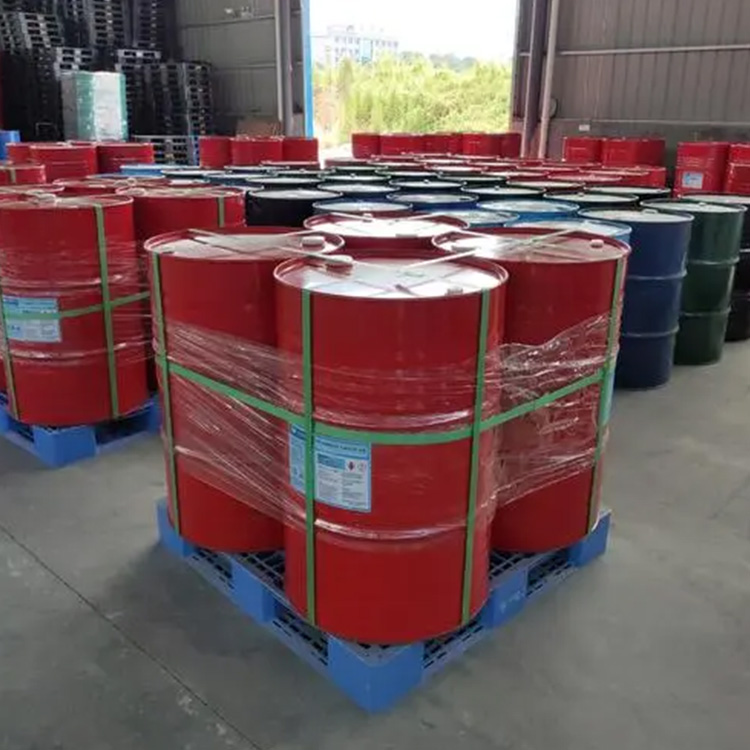
Quality polyurethane chemicals and binder supplies for consistent foam production. Polyols, isocyanates, catalysts, surfactants, and more.
View Products →
Storing and Handling Foam Chemicals Safely
Proper storage of foam chemicals is critical for safety and product quality. Here are essential guidelines:
- Temperature control: Most polyols and isocyanates should be stored between 15-30°C. Temperatures above 35°C accelerate degradation. Below 10°C, some chemicals crystallize or become too viscous to pump.
- Moisture protection: Isocyanates react with water. Keep drums sealed and store in a dry environment. Even small amounts of moisture contamination can cause CO² gas formation, pressurizing the container.
- Ventilation: Chemical storage areas need proper ventilation to prevent accumulation of fumes. Install fume detection systems if storing large quantities.
- Shelf life management: Use the oldest stock first (FIFO). Polyols typically have a 6-12 month shelf life. Isocyanates last 6-9 months when stored correctly. Catalysts degrade faster — typically 3-6 months.
- Spill containment: Store drums on containment pallets or in a bunded area that can hold 110% of your largest container volume. Have spill kits readily accessible.
Foaming Paper and RS Film: Additional Production Materials
Beyond chemicals and binders, your foam production line needs supporting materials that play a crucial role in the manufacturing process:
- Foaming paper — used as a release liner in continuous foam production. It prevents the foam from sticking to the conveyor belt during the curing process. Available in various widths and release strengths to match your production line specifications. Learn more about foaming paper.
- Foaming RS film — a specialized release film used in foam block production. Provides a smooth surface finish on the foam block and prevents adhesion to mold walls. Learn more about RS film.
- Foam scraps — offcuts and production waste that can be recycled through rebonding lines or sold to recycling facilities. Learn more about foam scrap management.
Common Questions About Foam Chemicals
Q: "How do I calculate the right isocyanate index for my foam?"
A: The isocyanate index (NCO index) is calculated as: (actual isocyanate used / theoretical isocyanate needed) × 100. For flexible foam, typical indexes range from 100-115. Higher indexes produce firmer foam. Your chemical supplier should provide formulation guidelines for your target foam density and hardness.
Q: "Can I mix chemicals from different suppliers?"
A: Generally not recommended unless the formulations are specifically designed to be compatible. Different suppliers use different additive packages that may not work together. Stick with one supplier's complete system for consistent results.
Q: "What's the minimum order quantity for foam chemicals?"
A: This varies by supplier and chemical type. Common minimums: 200kg drums for polyols and isocyanates, 25kg pails for catalysts and surfactants. We can discuss your specific volume requirements.
Q: "How do I know if my chemicals have degraded?"
A: Visual signs: discoloration (polyols turning dark), cloudiness, sediment formation. Functional signs: inconsistent foam rise time, unexpected density changes, foam collapse. If you suspect degradation, request a new batch and compare results.
Need Quality Foam Chemicals for Your Production Line?
Contact us for a quote on polyurethane chemicals, binder supplies, foaming paper, and RS film. We supply foam manufacturers worldwide with consistent, specification-grade raw materials.
Matching Chemicals to Your Foaming Equipment
Different foaming machines require different chemical formulations. Here's a quick guide to matching chemicals to your equipment type:
| Foaming System |
Recommended Chemical Type |
Density Range |
| Continuous block foaming (IF-FF4) |
High-reactivity polyol system |
4-80 kg/m³ |
| Box foaming (IF-FF3) |
Medium-reactivity system |
8-80 kg/m³ |
| Manual foaming (IF-FF2) |
Slow-reactivity for hand mixing |
10-60 kg/m³ |
| Rebonding (IF-FZS1/2) |
PU adhesive binder |
30-150 kg/m³ |
When purchasing chemicals for your foaming equipment, provide your supplier with: machine type, target foam density, required hardness (ILD), and any special requirements. This ensures an optimized formulation for your specific production needs.

