
You've spent good money on foam, springs, fabric, and labor. The mattress is assembled, the springs are in place, the quilting is done. Then it goes to finishing — and that's where things go wrong more often than they should.
Wrinkled borders. Uneven stitching. Thread bunching on thick fabrics. Operators hunched over machines, fighting with material feed. Rework that eats into your margins. Returns that cost you customers. If any of this sounds familiar, your sewing and flanging line is the problem — and it's probably the easiest fix in your factory.
Here's a story from a factory in Nigeria we worked with last year. They were making 400 mattresses a day — good mattresses — but their returns were running at 7%. Almost all of it was finishing issues: border fabric that wrinkled after a month, stitching that came loose, thread that snapped during sewing and had to be redone.
"We thought it was our fabric supplier," the production manager told us. "We changed suppliers three times. Same problem. Then we realized — it wasn't the fabric. It was our sewing machines. They couldn't handle the thick border material consistently."
They replaced their old machines with the IF-SB-A2 Front and Back Double-heads Mattress Sewing Machine for the sewing line, paired with two IF-SBP80 Mattress Flanging Machines for the border. Within 60 days, returns dropped from 7% to 1.2%. The operators preferred the new machines because the servo drive made sewing smoother and the adjustable fabric expander handled thick material without jamming.
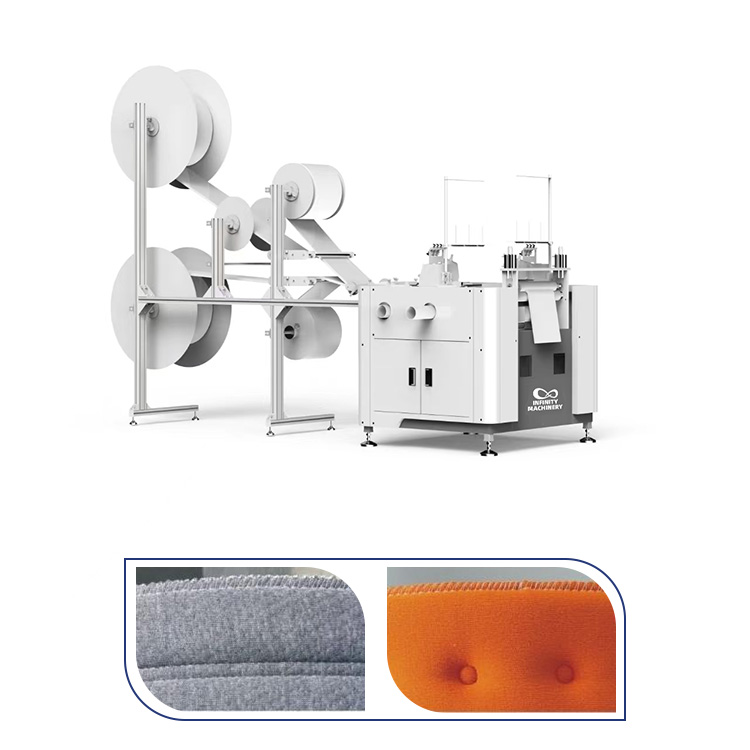
The IF-SB-A2 is a dual-head sewing machine that sews the front and back of the border tape at the same time — which means one pass instead of two. It uses a direct-driven servo motor that controls both heads with synchronized drive, so the stitch quality is consistent on both sides. The adjustable fabric expanding device stretches the material evenly as it feeds, and the rolling mechanism cuts the cloth automatically when the seam is finished.
What that means for you:
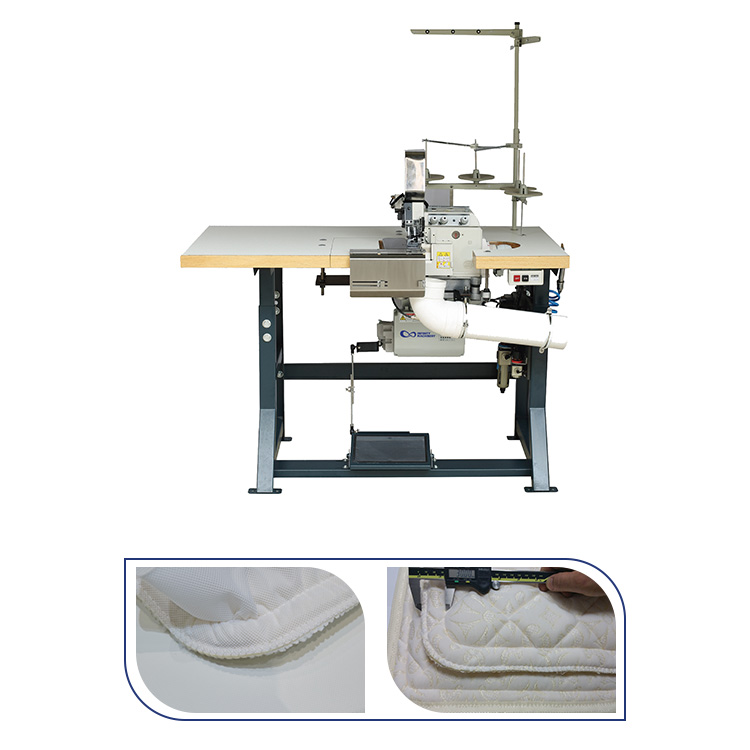
The IF-SBP80 is the machine that finishes the mattress edge — folding the border tape around the perimeter and stitching it in place. What sets it apart from cheaper alternatives is the synchronous feeding structure. Most flanging machines struggle when you switch from thin fabric to thick fabric because the feed rate changes. The IF-SBP80's synchronized feed system adjusts automatically, so the material feeds at the same rate regardless of thickness. Even heavy upholstery-grade fabric goes through without bunching.
What that means for you:
A mattress that looks good sells. A mattress with wrinkled borders or uneven stitching comes back. It's that simple.
The Nigerian factory we mentioned earlier? They calculated their savings after switching to Infinity machines. The 7% return rate dropping to 1.2% meant they saved $168,000 per year in returned mattress costs and replacement shipping. The new machines paid for themselves in 4 months. And their operators were happier because the servo drive and synchronized feeding made the work easier — which meant less turnover, less training cost, and more consistent quality shift after shift.
If you're still using old single-head sewing machines or flanging machines that struggle with thick fabric, you're leaving money on the table. The upgrade is straightforward, the payback is fast, and your customers will notice the difference before they even lie down.
Send us your current return rate and fabric types — we'll show you exactly how much you can save.
