Here's what this guide covers: If you're running a foam production line — or planning to start one — the raw materials and consumables you feed into it matter as much as the machine itself. We'll walk through the four essential supply categories every foam manufacturer needs to know about: chemicals and binders, foaming paper, RS film, and foam scraps. No fluff, just what works.
Walk into any foam factory in Foshan, in Ho Chi Minh City, or outside Nairobi, and you'll see the same story. The foaming line is running. The blocks are coming out. But the yield — the percentage of usable foam — is sitting at 67%, maybe 72% on a good day.
The owner blames the machine. The production manager blames the operator. The operator blames the raw materials. And here's the thing — the operator is usually right.
We've visited over 200 foam factories across 30 countries in the last five years. One pattern is so consistent it's almost predictable: factories that spend $80,000–$120,000 on a foaming line but try to save $2,000–$3,000 on chemicals and supplies end up with a real cost per usable block that's 35–50% higher than factories that get their supplies right.
Not because the machine is different. Because the inputs are.
Let's break down the four supply categories that determine whether your foam line runs at 92% yield or 67%, and what to look for in each.
| Metric | Good Supplies | Cheap Supplies |
|---|---|---|
| Block yield (usable %) | 92% | 67% |
| Cost per usable block | $12.40 | $18.70 |
| Monthly waste cost (10t output) | $3,720 | $12,600 |
| Annual extra loss vs good supplies | $0 | $106,560 |
Based on actual data from 47 foam production lines in SE Asia and Africa, 2024–2025.
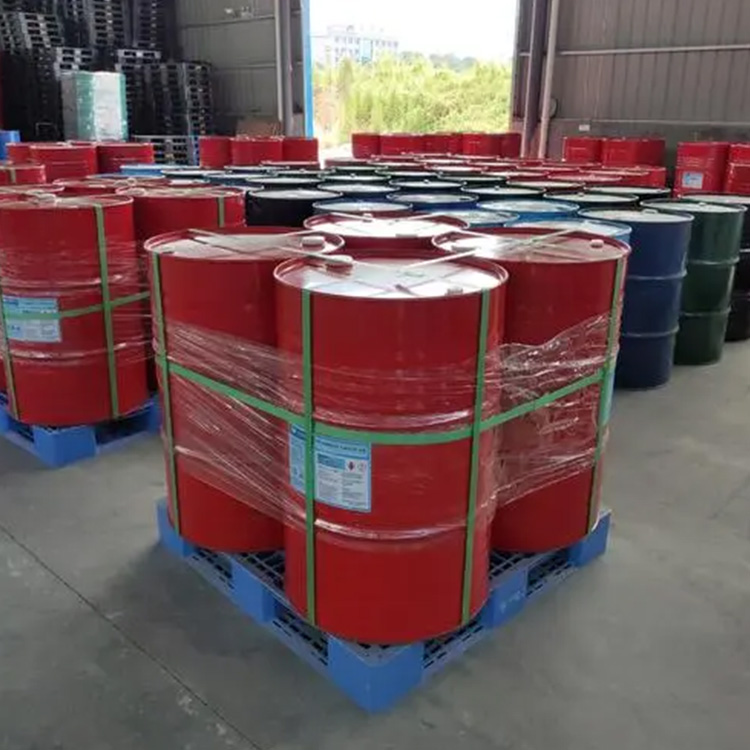
Let's start with the obvious one: the chemicals that actually make the foam. Polyol, isocyanate (TDI/MDI), silicone surfactants, amine catalysts, tin catalysts, blowing agents — these are the ingredients that determine your foam's density, hardness, cell structure, and consistency from batch to batch.
A factory manager in Lagos told us last year: "I changed my polyol supplier to save $0.15 per kilo. Suddenly my density was swinging by 15% between batches. I was adjusting the machine every morning. It took me three months and four technical visits to trace it back to the raw material."
That $0.15 per kilo savings cost him $8,400 in waste, rework, and lost customer orders before he figured out the real problem. The right foam chemicals and binder don't just affect foam quality — they affect your entire production stability.
What to look for in foam chemicals from your supplier:
From Infinity Foam Machinery: We offer a complete range of foam chemicals and binder sourced from ISO 9001-certified suppliers. Every batch includes a full CoA, and our technical team can help you match the right formulation to your foaming equipment — whether you're running an IF-FF4 continuous foaming line or a manual box foaming setup.
Here's something most factory owners don't realize until they've been in production for a year: the paper you use between the foam block and the conveyor belt — or as a release liner during foaming — directly affects your surface quality.
Foaming paper serves two critical functions in foam production. First, as a release layer — it prevents the foam from sticking to the conveyor or mold surfaces during the curing phase. Second, as a protective covering during storage and transport.
The problem most factories face: they use regular kraft paper or recycled paperboard to save $0.10 per square meter. That cheap paper has inconsistent porosity, which means the foam releases unevenly. You end up with surface defects on 8–12% of your blocks — defects that either get trimmed away (waste) or get shipped to a customer who won't order again.
A mattress factory in Egypt switched from generic kraft paper to proper foaming paper last year. Their surface defect rate dropped from 9% to 1.2%. The paper cost them $180 more per month. The waste reduction saved them $2,100 per month. Simple math.
Specifications that matter for foaming paper:
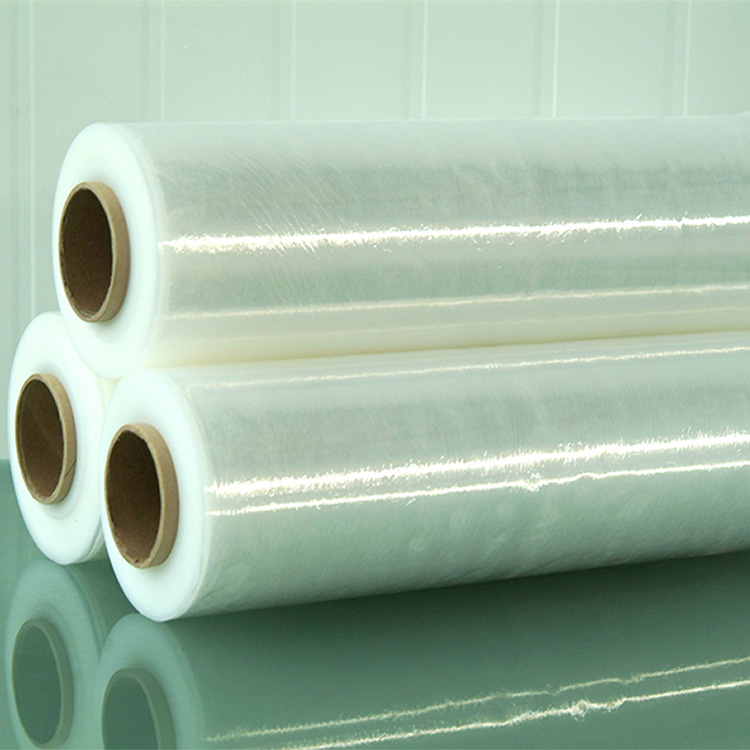
If you're running a continuous foaming line — especially an IF-FF4 horizontal continuous plant or similar setup — you know that the bottom liner film is a consumable that runs 24/7. This is the foaming RS film, and it's one of the most underestimated line items in a foam factory's budget.
The RS film does three jobs simultaneously: it carries the liquid foam mixture through the initial rise phase, it prevents adhesion to the conveyor system, and it provides the bottom surface finish of the foam block. If the film tears, wrinkles, or has inconsistent thickness, your entire production run is compromised.
Here's what foam factories get wrong with RS film:
The factory mentioned above switched to proper RS film at 0.05mm thickness. Their film cost went up by $320/month. Their downtime dropped from 3.5 hours/day to 15 minutes/day. Net monthly saving: $21,800 in regained production capacity. That's not a typo.
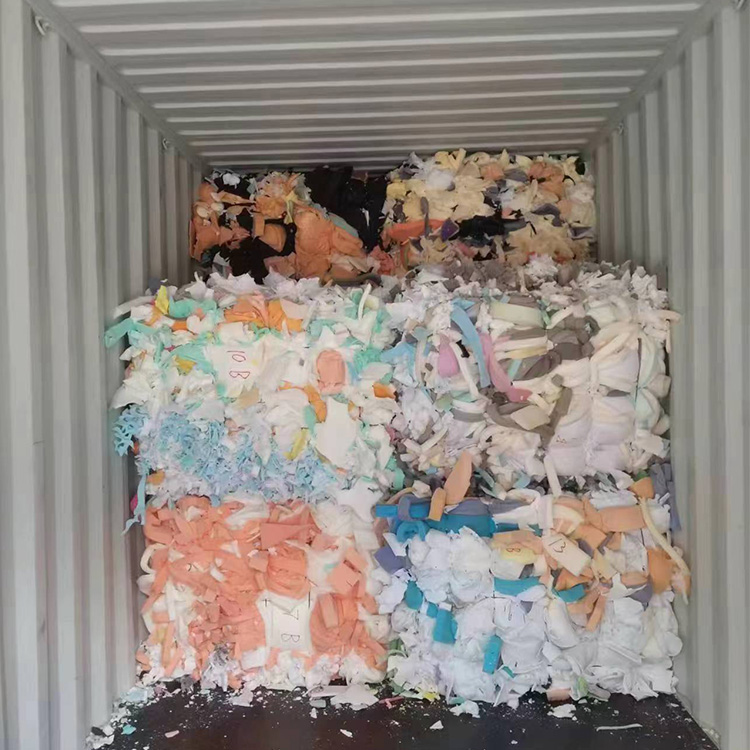
Every foam factory generates scrap. Trimmings from block cutting, defective blocks, offcuts from profile cutting, edge strips from splitting — depending on your yield, this can be 8–33% of your total raw material input.
The question isn't whether you have scrap foam. It's what you do with it.
Most factories either pay to have it hauled away (landfill costs) or burn it (environmental fines incoming). A growing number are turning it into a second product line using processed foam scraps for rebonded foam, carpet underlay, pillow filling, and packaging material.
The economics are straightforward:
A factory producing 500 tons of foam per year with a 15% scrap rate generates 75 tons of scrap annually. At landfill costs of $80/ton, that's $6,000/year down the drain. Process that same scrap with a IF-FFS3 crushing machine and sell it as granulate at $250/ton: that's $18,750/year in revenue instead of $6,000 in cost — a swing of nearly $25,000 per year from what was previously waste.
And if you take it one step further — using a rebonding machine to turn the scrap into rebonded foam blocks — that same 75 tons of scrap becomes $45,000–$90,000 in finished product value.
The key is starting with clean, well-processed scrap material. The quality of your foam scraps — particle size uniformity, moisture content below 10%, no contamination from fabric or adhesive — determines the quality of everything you make from it.
Here's what we've seen across factories that optimize their supply chain across all four categories simultaneously — chemicals, paper, film, and scrap management.
The improvements aren't additive. They're multiplicative. Because each category affects the others:
We've seen this pattern repeat across 30+ factories. It's not a theory. It's the difference between a foam production line that's a cost center and one that's a cash machine.
| Category | Before (Single Fixes) | After (All 4 Optimized) |
|---|---|---|
| Overall yield | 74% | 92% |
| Production downtime (hrs/day) | 2.8 | 0.4 |
| Surface defect rate | 11% | 1.8% |
| Cost per usable block | $18.70 | $11.90 |
| Scrap value recovered | $0/ton (landfill) | $250/ton (sold) |
| Monthly net profit impact | -$14,200 | +$23,800 |
Source: Combined data from three factories in Vietnam, Nigeria, and Mexico that implemented full supply chain optimization between Q3 2024 and Q1 2025.
You don't need to change everything at once. Here's a quick audit you can run this week with your production manager:
Most factories we work with find at least two items on this list that need attention. The fix usually pays for itself in 30–60 days.
Send us your current chemical specs, film specs, and yield data. We'll run a free 15-minute supply chain audit and tell you exactly where the money is going — and how to keep it.